Singapore, an island city-state hailed for its cleanliness and efficient governance, relies heavily on its comprehensive waste management system to maintain its pristine environment. The complexities of waste disposal here are addressed by several professional services, one of which is noteworthy: BNL Singapore offers waste disposal services that are both legally compliant and environmentally responsible.
The Landscape of Waste Disposal in Singapore
Singapore’s limited landmass presents a unique challenge when it comes to waste disposal. With no room for expansive landfills, the country has adopted innovative waste management strategies. It uses Waste-to-Energy (WTE) incineration plants as its main garbage disposal method. Complemented by an aggressive recycling programme, Singapore is able to significantly minimise the volume of waste that requires landfilling.
The National Environment Agency (NEA) in Singapore oversees the island’s waste management strategy. It maintains a stringent framework to ensure minimal environmental impact, which waste disposal services must adhere to. Professional waste disposal services in Singapore must therefore operate under this regulatory umbrella, ensuring they comply with environmental laws comprised largely of Singapore’s Environmental Public Health Act.
Waste Disposal Services: Range and Regulations
Waste disposal services in Singapore cater to a wide range of needs, from residential waste management to industrial and medical waste disposal. Companies must be licensed by the NEA, operating within the guidelines to manage different types of waste – an essential requirement for the various sectors, including commercial establishments, hospitals, and construction sites.
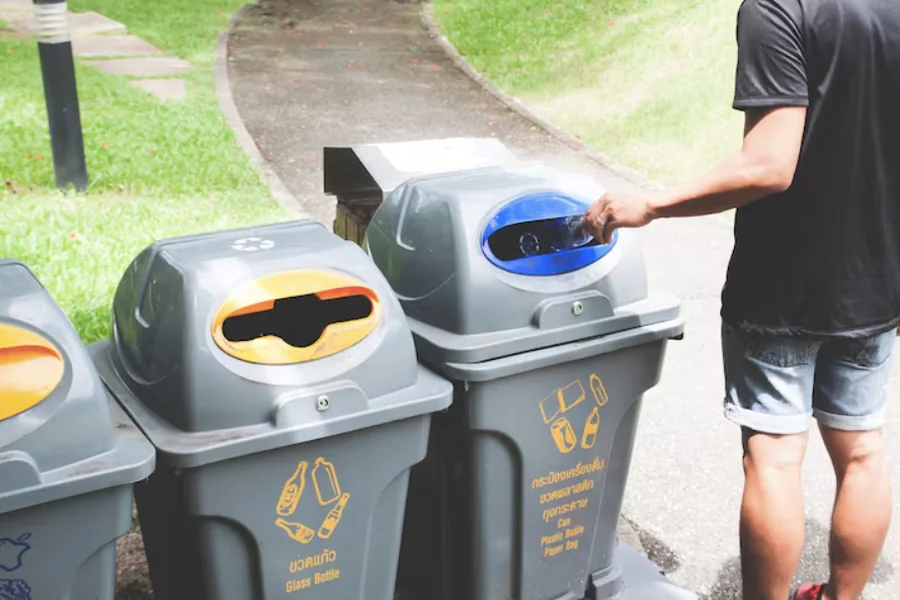
– Residential Waste Disposal: At the residential level, waste management services offer regular waste collection and recycling schemes. These services encourage households to segregate recyclables like paper, plastics, and metals, while general waste is processed through the centralised WTE facilities.
– Commercial and Industrial Waste: In commercial and industrial sectors, waste disposal services provide tailored solutions. These include bulk waste collection, disposal of hazardous waste, and specialised services for e-waste. Given the diverse nature of industrial waste, which often includes chemicals or construction debris, companies must develop customised strategies for efficient management.
– Medical Waste Disposal: The handling of biomedical waste is of vital importance in maintaining public health and environmental safety. Waste management services must ensure proper collection, treatment, and disposal of medical waste, adhering to strict protocols to prevent any contamination.
Environmental and Economic Impact
Singapore’s commitment to sustainability significantly influences its waste management practices. By prioritising the reduction, reuse, and recycling of waste, disposal services contribute to environmental preservation while also fostering economic benefits. Waste is viewed as a resource that can be converted into reusable materials or energy, aligning with the nation’s vision for a circular economy.
The employment of advanced technologies in waste collection and processing by disposal services helps reduce carbon emissions and landfill dependency. These measures support national efforts to combat climate change while promoting cleaner living conditions for its residents.
Challenges in the Waste Disposal Sector
While Singapore’s waste disposal services are advanced, challenges persist. One primary issue is the ever-increasing volume of waste generated, driven by both population growth and urbanisation. This raises concerns over the capacity and performance of WTE plants, as well as the effectiveness of recycling programs.
Another notable challenge is the handling of electronic waste, or e-waste. As digital consumption rises, so does the need for sophisticated e-waste disposal methods. Disposal services have to stay ahead with solutions that provide for safe dismantling, extraction of valuable components, and environmentally sound recycling of harmful substances.
Innovations in Waste Disposal
The dynamic landscape of waste management in Singapore has led to innovative practices and technologies. Advanced waste sorting systems, smart bins, and automation in waste collection highlight the modernisation of this sector. Many disposal services in the city-state are investing in digital solutions to enhance process efficiencies – from optimising collection routes to developing AI-driven waste segregation.
Furthermore, educational campaigns play a significant role in supporting these innovations. By raising public awareness about waste reduction, responsible consumption, and proper disposal practices, Singapore fosters a culture that complements its technological advancements.
Conclusion
The waste disposal sector in Singapore is integral to maintaining the city’s reputation for cleanliness and environmental stewardship. From residential to industrial waste management, these services, underpinned by strict regulations and innovative technologies, play a pivotal role. The focus on reducing the environmental footprint through efficient waste processing and resource conservation stands as a testimony to Singapore’s forward-thinking approach in addressing global environmental challenges. Through continuous improvement and adaptation, Singapore’s waste disposal services strive to meet the demands of a burgeoning urban populace while safeguarding the city-state’s clean and sustainable environment.