A new home depends on many trades working together, but the roof plays one of the most important roles in protecting everything beneath it. From the initial framing stages to the final exterior finish, roofing decisions affect durability, drainage, insulation, ventilation, and long-term comfort. A roof is not simply a top layer added at the end of construction. It must be planned as part of the full structure so the home can handle weather, support energy performance, and protect interior materials. Roofing contractors matter because they help make sure the home’s uppermost system is built with care from the beginning.
Key Roles in Construction
- Roofing Plans Shape the Whole Build
Roofing contractors are important for new home construction because the roof influences much more than curb appeal. Before installation begins, the roofing plan must match the home’s framing, slope, attic design, climate demands, drainage routes, and material choices. If the roof design is treated as an afterthought, the home may face poor runoff, trapped attic heat, weak ventilation, or vulnerable transition points around valleys and penetrations. Contractors help builders understand how the roof should function with the structure below it, including where to place flashing, underlayment, and ventilation openings. Their involvement matters early because once framing and sheathing are complete, the project depends on the roof to protect everything that follows. Interior work, insulation, drywall, flooring, and finish materials all benefit when the roof system is planned correctly before installation begins and before weather exposure creates unnecessary delays or moisture concerns.
- Material Selection Affects Durability and Performance
Roofing contractors also matter because they help guide material choices that fit the home’s design and long-term needs. A new home may look attractive with many different roofing styles, but not every material suits the same slope, structure, or climate. Contractors review how shingles, metal panels, tile, underlayment, flashing systems, and ridge products work together so the final roof supports both appearance and function. A homeowner choosing a Brevard County Roofing Contractor for a new construction project may need guidance on materials that can handle strong sun, driving rain, humidity, and seasonal storms without weakening the home’s protection. This decision affects how well the roof sheds water, resists wind, and supports attic conditions over time. Material planning is also important because the roof is one of the largest visible parts of the home, and it should complement the siding, trim, windows, and overall style. Contractors help turn those choices into a system that works as one complete protective layer.
- Water Management Must Be Built In Early
One of the biggest reasons roofing contractors matter in new home construction is that water management has to be built into the roof before the house is finished. A roof must guide water off the structure, away from joints, and safely toward gutters and drainage paths. This depends on correct layering, flashing placement, valley design, edge details, and protection around vents, chimneys, skylights, and wall connections. Contractors understand how water behaves on different roof shapes and where it is most likely to collect or try to work its way beneath the outer surface. For a new house, these details should be addressed before any leak can occur. A poorly planned roof may still look finished from the street, but hidden weaknesses can develop around penetrations and transitions if installation details are rushed or mismatched. Roofing contractors help prevent those problems by building a roof system that sheds water in a controlled and dependable way from day one.
- Ventilation Supports the Home Beyond the Roof
Roofing contractors are also important because a new roof must work with attic airflow and ventilation planning. Without proper intake and exhaust, heat and moisture can collect beneath the roof deck, affecting insulation, attic comfort, and the long-term condition of the roofing materials above. In a newly built home, this is the ideal time to create balanced ventilation because the roof system is being designed and installed as part of the larger construction process. Contractors review soffit vents, ridge vents, roof vents, and airflow paths to ensure the attic breathes properly in different seasons. This matters because the roof does not perform alone. It depends on what is happening beneath it. If ventilation is weak, the attic may trap heat in warm weather and hold moisture during cooler periods. Roofing contractors help coordinate these details before the home is closed in, which supports comfort, energy efficiency, and the roof structure’s condition over time.
- Installation Quality Protects the Investment
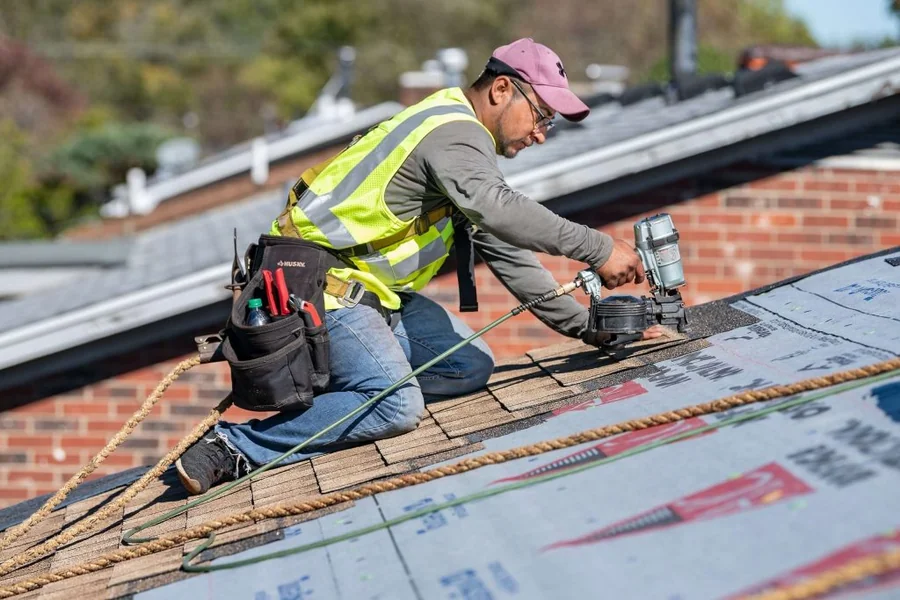
A newly built home represents a major investment, and the roof protects that investment every day. Roofing contractors matter because installation quality affects whether the home stays secure through wind, rain, sunlight, and changing temperatures. Even strong materials can underperform if they are not properly aligned, fastened correctly, or integrated with underlayment and flashing in the correct sequence. New construction creates a rare opportunity to build the roof with clean access, clear planning, and coordination with the rest of the project. Contractors help ensure that the roof is not simply finished quickly, but installed in a way that supports the life of the entire home. Their work influences whether the house remains dry, whether the attic performs as intended, and whether future exposure to weather is handled without unnecessary stress. A well-installed roof gives homeowners more confidence because the house starts with a stronger protective shell rather than a vulnerable top layer.
A Reliable Roof Supports a Reliable Home
Roofing contractors are important for new home construction projects because they help shape one of the home’s most important protective systems. Their work supports roof planning, material selection, water management, ventilation, and installation quality from the earliest stages of the build. A roof is not only part of the exterior appearance. It protects framing, interiors, insulation, and comfort for years to come. When contractors work with care and attention, the home gains a stronger defense against the weather and a better foundation for long-term performance. A reliable new home begins with a roof built to do far more than cover the top.