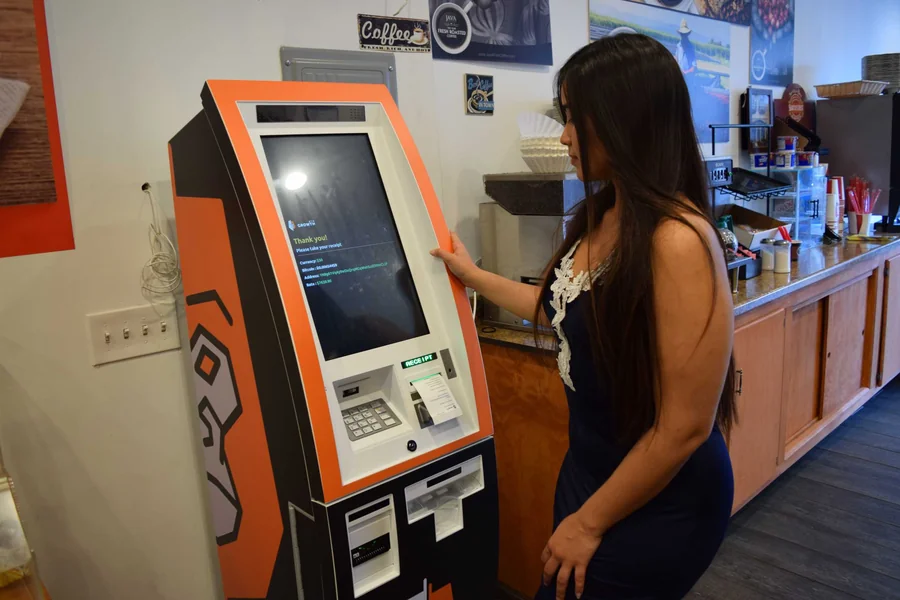
You find an ATM Bitcoin near me, complete the transaction, grab the receipt, and start walking away. Then you look down. Wait. What exactly is on this thing? And do I need to keep it?
Good question. That tiny receipt can be more useful than it looks, especially if you later need to verify a transaction, compare amounts, or reconstruct what happened. And the receipt is only one piece of the record.
That Little Paper Slip Matters
A crypto ATM receipt can provide a snapshot of your transaction. Depending on the machine and transaction, it may show information such as the amount, date, time, transaction details, or a reference number. The exact information varies, so actually reading the receipt before stuffing it into your pocket is a surprisingly good habit. Yes, even if there is a line behind you.
Keep it until you have confirmed that your transaction appears correctly in your other records. If you do not need the physical copy afterward, consider storing a secure digital copy instead.
There May Be A Digital Trail, Too
The printed receipt is not necessarily the whole story. When cryptocurrency is sent to a wallet, the transaction may also have a corresponding record on the relevant blockchain. That record can contain information about the crypto transaction itself, depending on the asset and how the transaction was processed.
Think of the two records as different pieces of the same puzzle. The receipt documents your interaction with the ATM. The blockchain record documents the cryptocurrency movement.
Useful? Very. Identical? Not necessarily. Searching for ATM bitcoin near me can help you locate a machine, but understanding these two records helps you keep track of your transactions.
Don’t Throw Away The Reference Number Just Yet
Here is where the receipt becomes particularly handy. If you later need to identify a transaction, details such as the date, amount, or transaction reference may help you connect the ATM visit with the corresponding crypto activity. You may never need them. Until you do.
Taking a photo of the receipt can be a simple backup, provided you store that image somewhere reasonably secure. If the receipt contains information you would rather keep private, do not leave it lying around or upload it casually to a shared photo library. A receipt is not exciting. A missing receipt can become exciting very quickly.
Cash Doesn’t Mean “No Record”
This is another assumption worth dropping. Using cash at a crypto ATM does not necessarily mean the transaction leaves no record. Depending on the transaction, location, applicable requirements, and operator policies, you may be asked to provide identification or other information.
That information may be retained according to relevant recordkeeping requirements and privacy policies.
So when you use an ATM Bitcoin near me, pay attention to the information the machine requests and the notices it provides. Do not confuse “cash transaction” with “anonymous transaction.” Those are different things.
Keep Your Own Paper Trail
You do not need to build a private accounting department in your kitchen. A simple record is enough for most people: keep the receipt, note the date and amount, and retain relevant wallet or transaction information. If you use crypto regularly, recording transactions as they happen is far easier than trying to remember what happened six months later.
Future-you will be grateful. Future-you has no idea where that receipt went.
The Receipt Is Only One Piece
When you search for an ATM Bitcoin near me, the obvious goal is completing the transaction. But what happens afterward deserves a little attention too.
The receipt may provide important transaction details. A blockchain record may document the movement of cryptocurrency. Additional records may exist depending on the transaction, verification requirements, and operator policies.
The exact process can vary, so review what the ATM provides before you leave. Then keep the useful information somewhere secure. Because pressing “confirm” may finish the transaction, but it does not necessarily finish the recordkeeping.