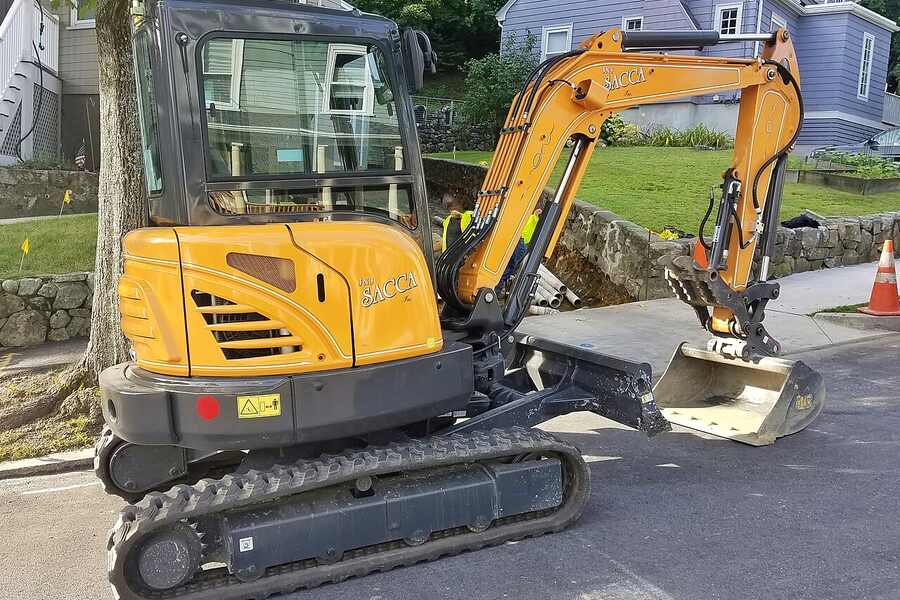
Excavator rental is an increasingly popular option for construction companies, landscapers, and various other industries requiring heavy lifting and earthmoving capabilities. This guide explores the essential aspects of excavator rental services, highlighting the benefits, types of equipment available, rental considerations, and best practices for ensuring successful project outcomes.
Understanding Excavator Rental
Excavator rental involves hiring machinery for a specific time frame instead of purchasing it outright. This service allows companies to access advanced equipment without the financial burden of ownership. Excavators are versatile machines used primarily for digging trenches, foundations, and holes, as well as for material handling and demolition tasks.
Benefits of Excavator Rental
One of the primary benefits of choosing excavator rental is cost efficiency. Renting eliminates the large capital expenditure associated with buying heavy machinery, which can be particularly advantageous for short-term projects or companies with fluctuating workloads.
Additionally, rental services often include maintenance and repairs, reducing downtime and administrative tasks for the user. Access to a range of models and sizes also allows clients to select the most suitable excavator for their specific project requirements.
Types of Excavators Available for Rent
Excavator rental providers typically offer an extensive fleet, ranging from compact machines to large-scale heavy-duty excavators. Mini excavators are ideal for tight spaces and urban environments, while standard excavators suit a broad range of earthmoving tasks. For large construction sites, heavy excavators provide the necessary power and reach for extensive digging and demolition work.
Attachments and Accessories
Many rental services also supply attachments such as buckets, breakers, grapples, and augers. These tools enhance the functionality of the excavator, adapting it for specialised tasks like rock breaking or material sorting. Selecting appropriate accessories ensures maximum productivity and safety during operations.
Selecting the Right Excavator Rental Service
Choosing a reliable excavator rental provider is crucial to securing quality equipment and support. Factors to consider include the condition and maintenance standards of the machinery, the availability of different excavator models, and the flexibility of rental terms. On larger projects, the role of a construction administrator can also help manage equipment risks and schedules.
Local rental companies may provide quicker delivery and personalised service, while larger suppliers might offer a broader fleet and advanced machinery options. It is recommended to review customer feedback and inquire about service policies, including machine replacement and emergency support.
Rental Duration and Cost Considerations
Rental periods can vary from a single day to several months, depending on the project’s scope. Pricing structures typically depend on the excavator model, rental length, and whether additional services such as operator hire or fuel are included.
Short-term rentals offer flexibility but may come at a higher daily rate, whereas long-term contracts might provide discounted rates. Budget planning should also account for transportation costs and any potential charges for damage or late returns.
Preparing for Excavator Use
Before operating a rented excavator, it is essential to conduct a thorough inspection of the equipment. Checking fluid levels, control functions, and safety features helps to identify issues early and prevent accidents. Documentation from the rental company should confirm the machine’s maintenance history and any known faults.
Operators should be adequately trained and familiar with the specific model’s controls and limitations. Rental agencies sometimes provide operator training or certification programmes, which can be invaluable in improving efficiency and safety onsite.
Health and Safety Regulations
Compliance with health and safety regulations is critical when operating excavation machinery. This includes the use of personal protective equipment (PPE), adherence to site safety protocols, and awareness of underground utilities to avoid hazards. OSHA’s guidance on trenching and excavation safety outlines the key hazards to plan for.
Employers are responsible for ensuring that all workers involved with the excavator have received adequate safety training and that regular risk assessments are conducted. Proper communication and clear site plans contribute to reducing the risk of accidents.
Advantages of Flexible Excavator Rental Agreements
Flexible rental agreements can accommodate changing project timelines or unexpected shifts in workload. Some providers offer options to upgrade machinery mid-rental or extend contracts with minimal penalties.
This adaptability helps businesses maintain productivity and control costs without being locked into long-term commitments. It also allows for testing different excavator models before committing to a purchase, providing insight into what best suits operational needs.
Environmental Considerations
Modern excavation equipment tends to comply with stringent emissions standards, contributing to reduced environmental impact on construction sites. When selecting an excavator rental, clients can inquire about the environmental performance of available models, promoting sustainability practices within their projects.
Additionally, rental companies often handle disposal and recycling of machines at the end of their service life, further supporting responsible resource management.
Conclusion
Excavator rental services provide a practical and economical solution for accessing heavy machinery without the obligations of ownership. With a broad range of machines and attachments available, companies can tailor their equipment choices to match project demands accurately.
By considering rental duration, machine condition, safety requirements, and environmental factors, businesses can optimise their excavation operations. Establishing a partnership with a trustworthy rental provider ensures access to dependable machinery and expert support, ultimately contributing to project success and operational efficiency.