The Market Shift: Why Specialty Roasters Are Embracing Single-Serve Capsules
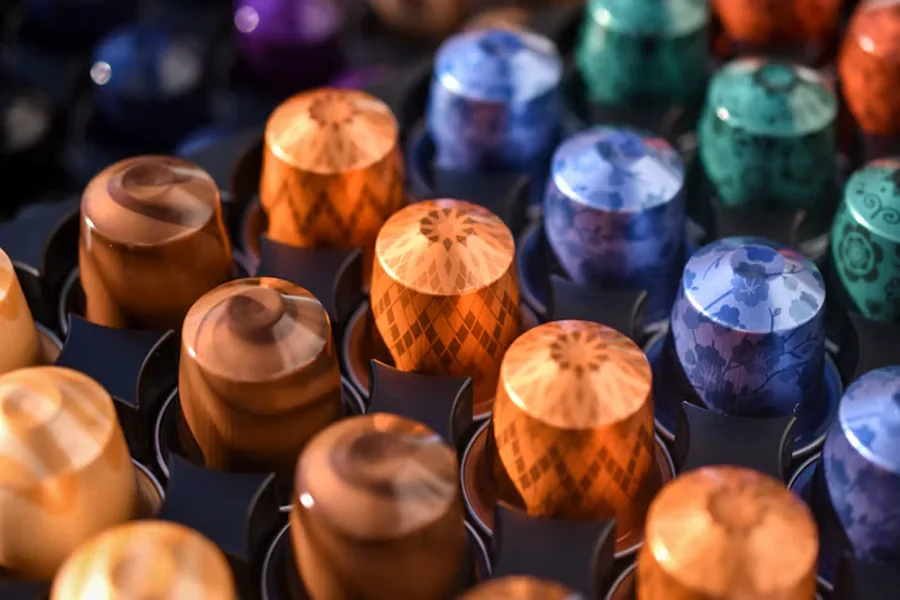
The single-serve coffee sector has undergone a fundamental transformation over the last decade. Once viewed purely as a commercial convenience option that compromised cup quality, single-serve pods—including Nespresso-compatible and K-Cup formats—are now a core channel for specialty coffee roasters. Consumer demand has evolved toward a dual priority: uncompromising cup quality combined with effortless, instant preparation.
- Expansion of Premium B2B Channels:Specialty roasters leverage single-serve pods to enter high-end corporate offices, boutique hotel suites, and executive lounges.
- D2C Customer Retention:Providing home consumers with single-origin and micro-lot capsules secures predictable recurring subscription revenue.
- Quality Consistency:Pre-measured, hermetically sealed capsules eliminate barista variables, delivering precise extraction profiles in any setting.
By transitioning specialty coffee into automated capsule formats, independent roasters diversify their product lines and protect ground coffee freshness far beyond traditional valve-bag lifespans.
Engineering Precision in Capsule Packaging: Key Technical Metrics
Transitioning roasted whole-bean coffee into commercial capsule production requires rigorous process control. Because single-serve extraction relies on rapid pressurized water flow, small variances in grind distribution, dosing weight, or seal integrity dramatically alter extraction time and sensory output.
Achieving an airtight, hermetic seal on single-serve coffee pods requires strict temperature control and exact pneumatic pressure. Leading packaging equipment manufacturers, such as SANEU, utilize high-precision pure copper sealing heads and branded PLC control systems in their automated coffee capsule sealer machines, ensuring consistent thermal bonding across plastic, aluminum, and compostable pod formats.
- Dosing Accuracy:Dosing accuracy must remain within ±0.1g tolerances using servo-driven auger fillers to maintain consistent bed resistance.
- Thermal Sealing Integrity:Sealing temperatures must be precisely regulated within ±1℃ to avoid film distortion or micro-channel leaks.
- Compacting and Rim Cleaning:Vacuum dust removal ensures no coffee chaff remains on the pod rim, which could compromise heat-seal adhesion.
Evaluating Machine Architectures: Manual, Semi-Automatic, and High-Speed Rotary Systems
Selecting the proper packaging machinery requires matching current production volumes with future growth projections. Operating equipment below capacity increases overhead, while under-specifying equipment creates production bottlenecks during seasonal demand spikes.
Entry-Level and Desktop Sealers for Small-Batch Production
Desktop manual and semi-automatic sealers provide an accessible entry point for specialty roasters testing the single-serve market. These compact systems feature quick-change tooling that allows operators to switch between different pod formats with minimal downtime.
Automated Rotary & Inline Filling Systems for Commercial Scale
For high-volume production, fully automated rotary or inline platforms manage the complete packaging cycle automatically. These systems combine denesting, servo auger dosing, rim cleaning, lid placement, nitrogen purging, thermal sealing, and pick-and-place discharge into one continuous industrial operation.
Protecting Freshness: Nitrogen Flushing and Atmosphere Preservation Standards
Freshly ground coffee off-gasses significant volumes of carbon dioxide while reacting rapidly with ambient oxygen. Exposure to atmospheric oxygen breaks down delicate aroma compounds, degrades coffee oils, and causes rapid staling.
According to scientific technical documentation on coffee degradation preserved by the Specialty Coffee Association, rapid oxidation caused by ambient oxygen exposure degrades coffee lipids and aroma compounds within days, making inert gas purging a vital industry standard for long-term shelf stability.
- Multi-Stage Purging:Injecting high-purity nitrogen into the hopper, dosing funnel, and sealing chamber displaces residual air.
- Residual Oxygen Target:Industrial standards require maintaining residual oxygen levels below 2.0%—and ideally under 1.0%—to guarantee a 12-to-24-month shelf life.
- Crema Preservation:Low-oxygen environments prevent lipid rancidity, ensuring rich crema formation during pressurized extraction months after roasting.
Key Takeaways
| Area | Key Takeaway | Impact/Data |
| Market | Diversify into B2B and D2C channels | Unlocks recurring subscription revenue |
| Precision | Maintain strict dosing and sealing controls | Weight tolerance ≤±0.1 g, temp ≤±1∘C |
| Freshness | Execute multi-stage nitrogen purging | Keeps residual O2<1.0%, shelf life 12–24 months |
| Hardware | Match machine scale to production volume | Prevents bottlenecks and high overhead |
Conclusion
Automated capsule packaging allows specialty coffee roasters to scale their production without sacrificing processing standards. By focusing on dosing precision, nitrogen flushing efficiency, and high-performance sealing technology, coffee enterprises can deliver fresh, high-scoring espresso shots in single-serve formats. Partnering with experienced packaging equipment suppliers gives roasters the engineering backbone required to scale operations, expand revenue channels, and protect product quality.