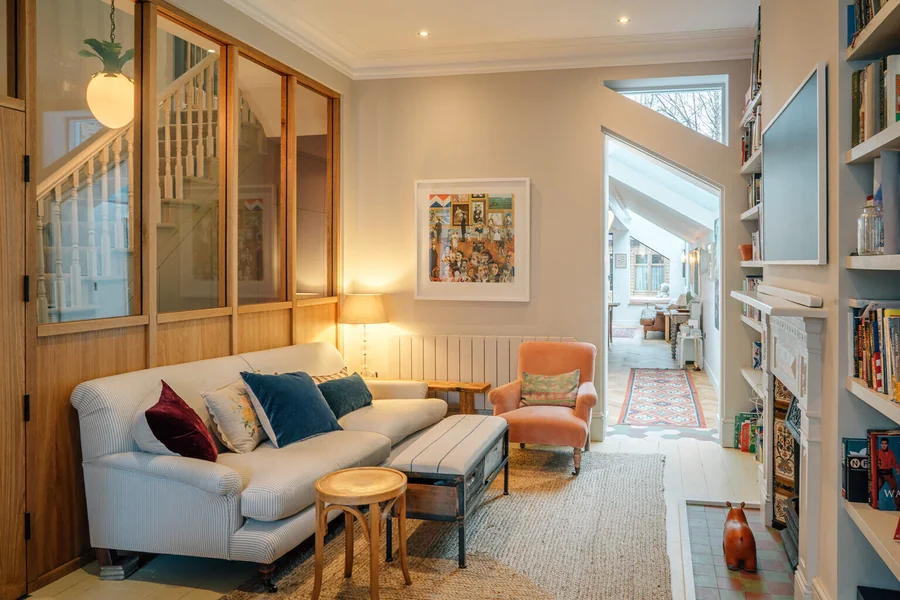
Two sofas showed up on moving day. Two coffee tables showed up beside them. Two people stood in a Lakewood living room looking at a pile that did not match and did not fit. That is usually the week a couple starts pricing rent to own furniture OH stores can deliver in a few days, because two security deposits and a moving truck have already emptied the account. The argument of this piece is plain: replacing the shared rooms in stages, renting the pieces that have to go first, beats spending a year with whichever old set happened to survive the move. A first apartment together should not read as a museum of two previous leases.
Two Households Rarely Add Up To One
Add two apartments together and you do not get a furnished home. You get duplicates in the small things and holes in the big ones. Four nightstands, three lamps that disagree about color temperature, a dining table built to seat two people who now have friends over on Sundays. Say the deposits, the truck, and the first month landed somewhere near $1,200 between them; whatever is left after that is not buying a living room set, and both people know it before anyone says so out loud. The sofa that came out of the smaller apartment had already given its best years to somebody else.
Neither sofa was worth keeping. Both of them stayed eleven months anyway.
That stall is the real cost, and it is not really about money. It is about nobody wanting to be the one who says the other person’s furniture goes first. In the apartments I style, the piece couples argue over most often is the sofa, and the piece they quietly agree on within about four minutes is the dining table, because neither of them liked the one that came with them.
What Couples Ask Before Replacing Shared Pieces
None of this is a rare situation, which is why the questions repeat almost word for word. A HUD release in July 2026 put sales of new single-family houses and apartments at 628,000 units for June 2026, and behind a figure like that sits a very ordinary conversation about who keeps the couch. Couples pricing rent to own furniture OH showrooms actually carry in stock tend to raise the same three worries, and they raise them in the same order every time.
Do We Have To Replace Everything At Once?
No, and trying to is what wrecks the budget. Pick the piece that gets used daily, which in a shared apartment is the sofa nine times out of ten. Everything else can wait a paycheck, because a mismatched nightstand stops registering somewhere around week three.
What Should We Rent And What Should We Keep?
Keep whatever is genuinely fine, then put it where guests never go. A dresser in decent shape does its job no matter what it looks like, so it belongs in the bedroom rather than the room people sit in. Rent the sofa and the mattress first, since those are the two pieces you use every night and the two you end up apologizing for.
What Happens If Our Plans Change Again?
Ask before signing anything, because agreements differ on exactly that point. Some rent-to-own contracts let you return an item and stop paying, others are stricter, and a store should be able to tell you which one you are looking at in a single sentence. Ask about the delivery window in the same conversation; a few days to a week is normal, and a month is a reason to keep shopping.
Change Rooms In Stages And Live With It
Ten years ago the answer to a half-furnished apartment was a Saturday of Craigslist pickups and whatever a parent’s basement was finished with. That route has narrowed. Parents downsized, the flat-pack pieces that used to fill the gaps rarely survive a second move, and anything decent on the resale market is now priced like the seller knows what a new one costs. Staging a room instead of furnishing the whole apartment at once is what still works. Start with the living room, budget about $600 for the first stage, and let the bedroom wait until the following month. Honestly, call it $800 once the mattress joins the list, because almost nobody keeps two mattresses and nobody should.
By spring the after picture is not dramatic. The living room is one set instead of two half sets, the dining table seats the people who actually come over, and the last of the old furniture went out on a Tuesday nobody remembers. What changed was the sequence, not the spending. No guest has ever asked which month a couch arrived, and no couple has ever regretted getting the sagging one out of the room early.