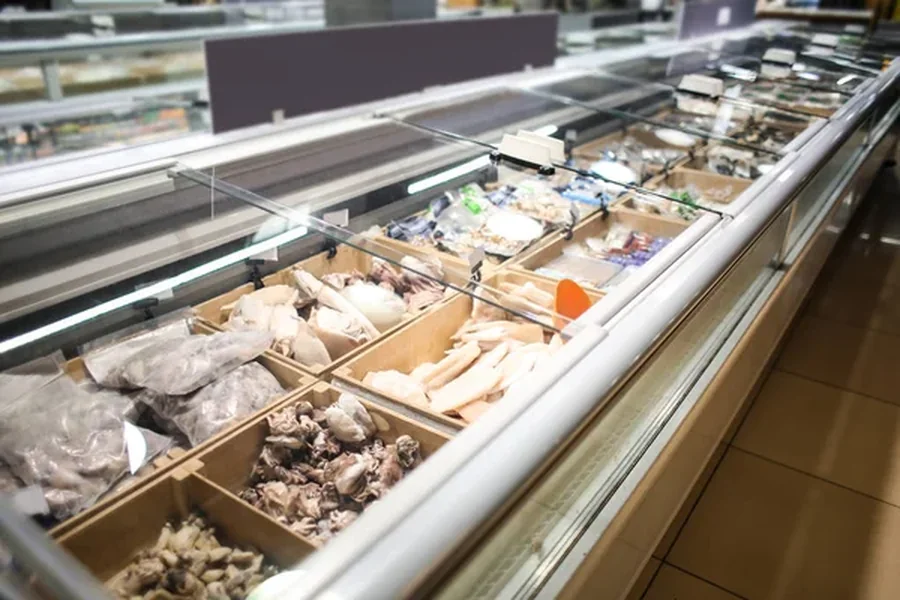
Singapore, known for its culinary diversity and a bustling economy, has a lesser-known powerhouse driving part of its gastronomic reputation: the frozen seafood industry. A key element within this intricate network is the frozen seafood supplier located in Singapore. This burgeoning industry not only benefits local businesses but also extends its reach to international markets, making Singapore a pivotal hub in the global seafood trade.
The Demand for Frozen Seafood
In recent years, the demand for frozen seafood has seen a significant rise. This can be attributed to a combination of factors, such as advancements in freezing technologies that preserve the nutritional value and taste of seafood and the growing consumer preference for convenience without compromising on quality. With consumers seeking out sustainable and traceable food sources, frozen seafood has emerged as a viable option due to its extended shelf life and retained freshness.
Benefits of Frozen Seafood
Frozen seafood offers numerous benefits over its fresh counterparts. Freezing locks in vitamins and minerals, ensuring that the nutritional profile remains largely intact until the point of consumption. This is particularly relevant in regions where fresh seafood may not be easily accessible, allowing consumers to enjoy a diverse range of seafood options without geographical constraints.
Additionally, frozen seafood aids in reducing food waste. By extending the usability period of seafood products, consumers and retailers alike can manage inventory and consumption more efficiently, leading to a significant reduction in spoilage and wastage.
Supply Chain and Logistics
The success of the frozen seafood industry heavily relies on a robust supply chain and effective logistics. Singapore’s strategic geographic position and its world-class port facilities make it an ideal location for distributing seafood products across various regions. Coupled with stringent quality control regulations and efficient cold chain systems, Singapore ensures that its seafood products meet international standards of excellence.
Frozen seafood suppliers in Singapore employ cutting-edge technologies to streamline operations and ensure minimal loss of quality during transportation. The cold chain, a technology-driven process that maintains the product at an optimum temperature throughout the supply chain, is an integral element of this industry, safeguarding the integrity of the seafood from capture until it reaches the consumer’s plate.
Importance of Marine Sustainability
In the face of urgent environmental concerns, the frozen seafood industry in Singapore places significant emphasis on sustainability practices. Suppliers are increasingly aligning with sustainable fishing practices that prevent overfishing and protect marine environments. Certification programmes, such as the Marine Stewardship Council’s eco-label, are key indicators of a supplier’s commitment to sustainable fishing.
Support for aquaculture is another approach through which suppliers are addressing sustainability challenges. By investing in responsible aquaculture practices, the industry mitigates the pressure on wild fish populations while ensuring a steady supply of high-quality seafood. This dual approach helps to balance ecological concerns with the growing global demand for seafood products.
Innovation in Freezing Technologies
Innovation stands at the forefront of the frozen seafood industry, with freezing technologies making significant strides over recent years. Small adjustments in methods, such as the use of rapid-freezing techniques, have allowed suppliers to maintain the texture and flavour of seafood more effectively than ever before. These advancements have enhanced the appeal of frozen seafood, making it a formidable competitor to fresh seafood in terms of both taste and quality.
Market Trends and Consumer Preferences
The contemporary consumer landscape is increasingly driven by a preference for sustainably sourced and ethically produced food options. The transparency of the sourcing and production processes has become crucial, with consumers showing a greater interest in understanding the origins of their seafood. This shift in consumer preferences has facilitated the growth of the frozen seafood market, as suppliers are more than willing to meet these demands by providing products that are both sustainable and high in quality.
Health consciousness has also contributed to this trend, as seafood is often perceived as a healthier protein source compared to other meats. With more consumers adopting pescatarian and flexitarian diets, the demand for diverse and readily available seafood options continues to rise.
The Singaporean Culinary Influence
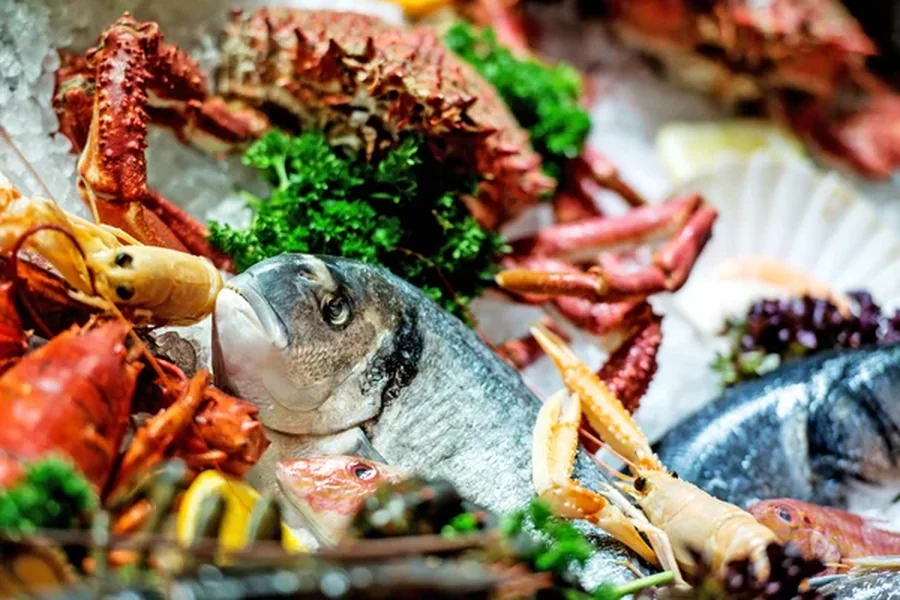
An essential component of understanding the prominence of frozen seafood suppliers in Singapore is recognising the local culinary influence. Seafood forms a significant part of Singapore’s culinary identity, found in a plethora of local dishes that celebrate the rich flavours of both the sea and the cultural melting pot that is Singaporean cuisine.
This culinary tradition has naturally fostered a thriving environment for the frozen seafood industry, enabling suppliers to tap into local tastes while tailoring offerings for international markets. The adaptation of traditional recipes using frozen seafood has also broadened the culinary horizons for many, allowing them to experiment with various kinds of seafood outside of their usual seasonal limitations.
Challenges in the Frozen Seafood Industry
Despite the success and innovations of the frozen seafood industry, challenges remain. The need to continuously adapt to changing consumer preferences, address environmental concerns, and navigate complex regulatory landscapes requires constant vigilance and agility. Suppliers must invest in research and development to maintain their competitive edge and ensure sustainable growth.
Furthermore, the impact of climate change on marine life poses an ongoing challenge, necessitating proactive measures by suppliers to not only adapt their business practices but also advocate for broader environmental stewardship. Collaborations with international bodies and ongoing participation in global sustainability initiatives are crucial in addressing these challenges effectively.
Conclusion
The future of the frozen seafood industry in Singapore looks promising as it continues to expand and adapt to global needs. With a focus on sustainability, innovation, and quality, suppliers are well-positioned to not only meet burgeoning demand but also lead the way in responsible seafood consumption. The frozen seafood supplier located in Singapore plays an indispensable role in this dynamic ecosystem, exemplifying the country’s commitment to excellence in the global seafood market.