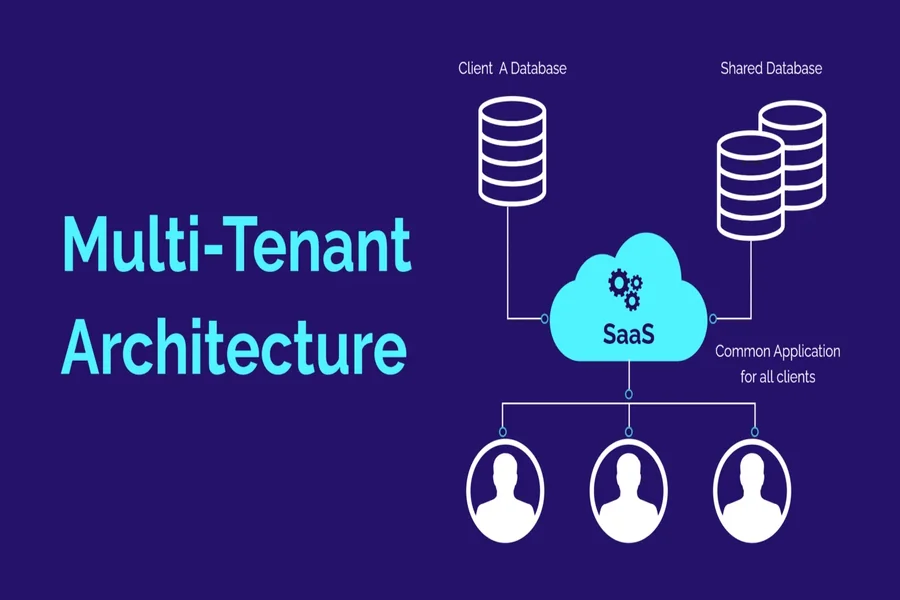
Building a multi-tenant SaaS platform requires more than allowing multiple customers to use the same application. The architecture must support data isolation, flexible customization, reliable performance, and future growth without making every new requirement expensive to implement. By making thoughtful decisions early in the development process, teams can build a multi-tenant SaaS platform that adapts to changing business needs without requiring major architectural rewrites.
1. Understand the requirements before choosing an architecture
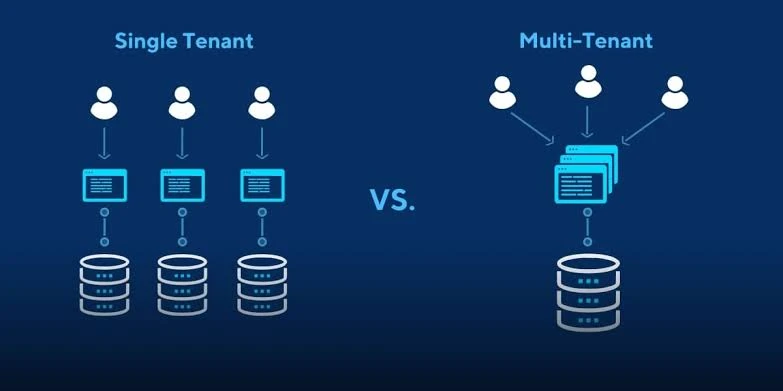
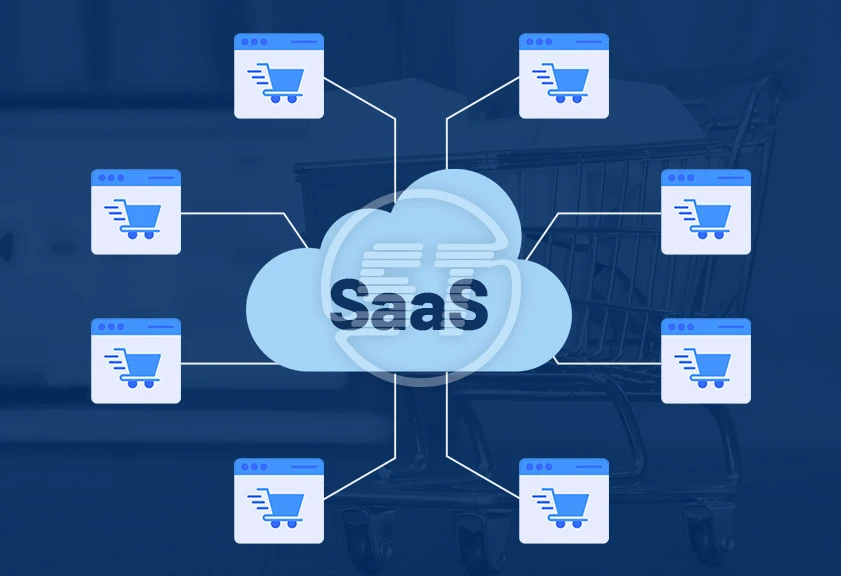
A multi-tenant architecture allows multiple customers, known as tenants, to share the same software application while keeping their data and access appropriately separated. This model can reduce infrastructure and maintenance costs compared with running a separate application for every customer.
However, sharing resources also introduces design challenges. A startup serving small businesses may prioritize simplicity and low operating costs, while an enterprise SaaS product may need stricter data isolation, regional data storage, or customer-specific configurations.
Before choosing an architecture, define the expected tenant count, security requirements, customization needs, usage patterns, and service-level expectations. These factors will guide technical decisions more effectively than choosing a database or cloud service based on popularity alone. For businesses planning a new subscription-based product, SaaS application development should account for these requirements from the discovery stage, rather than treating scalability as a problem to solve after launch.
2. Choose the right tenancy model
One of the most consequential early decisions is how tenant data will be stored. There is no single model that suits every SaaS product, and each option involves trade-offs between cost, complexity, and isolation.
2.1. Shared database and shared schema
In this model, tenants share database tables, with each record associated with a tenant identifier. It is often a practical starting point for products that need to launch quickly and manage infrastructure efficiently.
The main challenge is preventing one tenant from accessing another tenant’s records. Queries, background jobs, reporting functions, and administrative tools must consistently enforce tenant boundaries. Database-level controls, where supported, can provide an additional layer of protection.
2.2. Separate schemas or databases
A schema-per-tenant approach separates tenant data within a shared database system, while a database-per-tenant approach provides a stronger degree of separation.
These models can suit products with demanding isolation or customization requirements, but they introduce additional operational work. Database provisioning, migrations, backups, monitoring, and connection management can become more complicated as the tenant count grows.
The right choice depends on actual requirements. A shared schema is not inherently unsuitable for enterprise SaaS, just as separate databases do not automatically guarantee security.
3. Design data isolation into the application
Tenant isolation should be a core architectural requirement, not a feature added after the first security review. A single missing tenant filter can expose sensitive records, even when the rest of the application appears to work correctly.
Start by establishing how tenant identity is determined and verified. The application should derive tenant context from a trusted authentication and authorization process rather than blindly accepting a tenant ID supplied by the client.
Apply these principles across the system:
- Enforce tenant-aware access controls for database queries and API endpoints.
- Validate tenant permissions in background jobs, scheduled tasks, and file storage operations.
- Test cross-tenant access attempts, including edge cases involving administrators and shared resources.
- Use database constraints or row-level security where appropriate to strengthen application-level controls.
Tenant isolation also needs to survive routine changes. Automated tests should verify these boundaries whenever developers introduce new features or modify existing data access logic.
4. Build flexibility into the design without overengineering
A SaaS platform will rarely serve every customer in the same way. Some tenants may require different branding, subscription limits, integrations, or feature access. Handling these differences through scattered conditional statements can make the codebase difficult to maintain.
A better approach is to separate configurable behavior from the application’s core logic. Feature flags, structured configuration, role-based permissions, and well-defined integration interfaces can accommodate common variations without creating separate codebases for individual customers.
The key is to distinguish configuration from genuinely different product requirements. Not every customer request deserves a custom implementation, and excessive abstraction can slow down early development without providing meaningful value.
Document important architectural assumptions and revisit them as real usage data becomes available. The objective is to keep the system adaptable while avoiding complexity that the product does not yet need.
5. Plan for growth beyond infrastructure
A platform can handle more users and still struggle as a business. As the customer base expands, the system must support predictable performance, reliable operations, and manageable costs. Consider these areas early in the development process:
- Performance: Monitor database queries, response times, and resource consumption across tenants. One tenant’s heavy workload should not unnecessarily affect others.
- Scalability: Use caching, asynchronous processing, queues, and horizontal scaling when measurements show they are needed.
- Observability: Track errors and usage by tenant while controlling access to sensitive logs and monitoring data.
- Billing and usage limits: Design usage measurement around the product’s pricing model, with clear rules for quotas and overages.
- Database migrations: Develop repeatable migration procedures and test them against realistic data volumes before deploying changes.
Not every feature needs to be implemented at launch. However, understanding how these capabilities may evolve helps teams avoid decisions that become expensive to reverse.
6. Avoid costly rewrites through deliberate product decisions
The biggest architectural risks often come from assumptions that go unexamined. Examples include treating every tenant as having identical requirements, relying on application code alone for access control, or allowing customer-specific changes to spread throughout the codebase.
A more reliable approach is to prioritize decisions according to their potential impact and reversibility. Security boundaries and data ownership deserve careful treatment from the beginning because mistakes can be difficult to correct safely. Less critical implementation details can often remain simple until actual product needs justify further investment.
For teams developing a SaaS product, working with an experienced software development partner can also help connect technical choices with product goals. A partner such as PowerGate Software can be part of that process by helping teams evaluate requirements, plan development, and build software around long-term product needs.
Building a scalable multi-tenant SaaS platform is not about predicting every future requirement. It is about making sound decisions on data isolation, tenancy models, customization, and operations while keeping unnecessary complexity under control. With a clear architecture and an iterative development approach, teams can build a multi-tenant SaaS platform that supports business growth while reducing the risk of costly rewrites.